Understanding dota 2 items –a key to victory
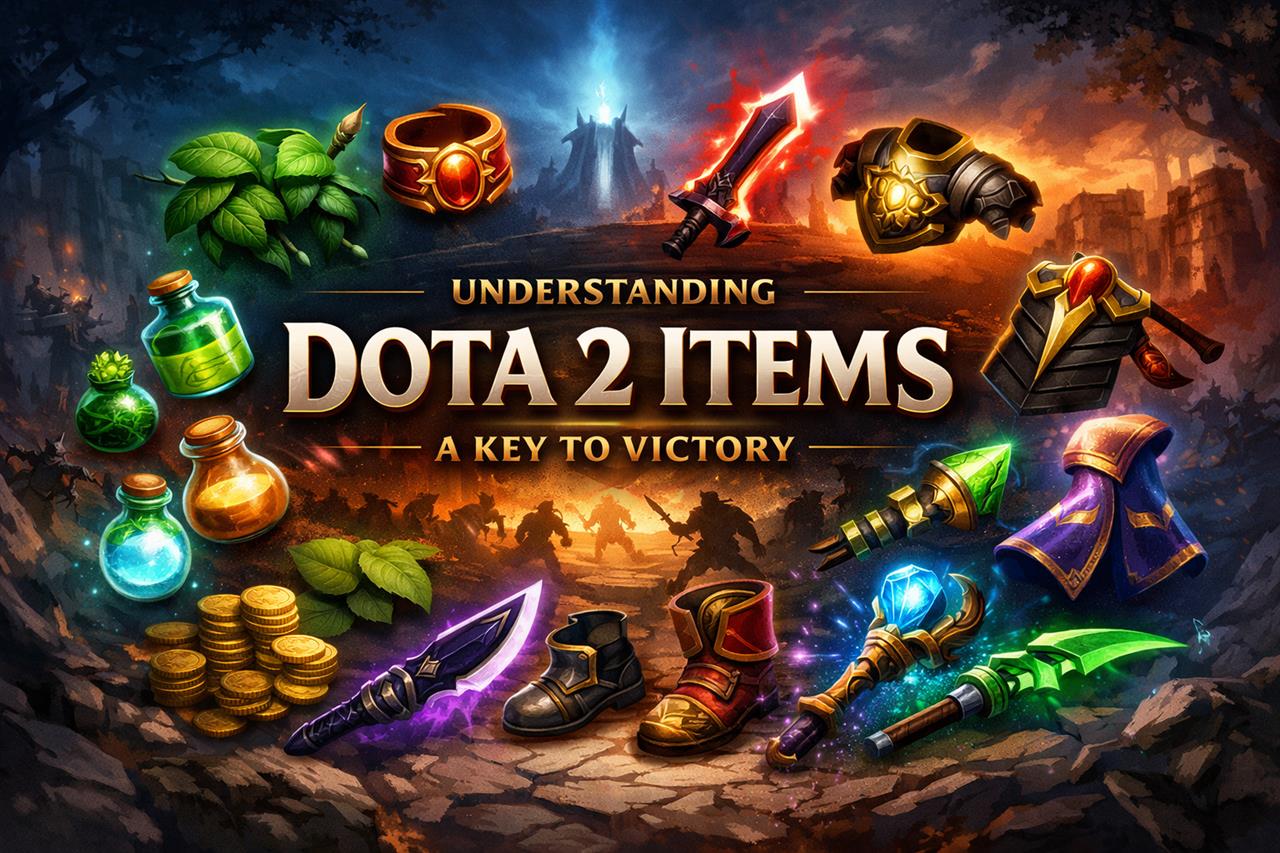
Dota 2 Items play a crucial role in every match, often making the difference between victory and defeat. Whether you're a seasoned veteran or a new player learning the ropes, understanding the game's vast array of items can significantly enhance your gameplay. From early-game basics to late-game must-haves, mastering item builds is essential for both support and core roles.
Item Categories in Dota 2
Dota 2 items are divided into several categories based on their purpose and impact. Understanding how these groups differ will help players make informed decisions while shopping at the in-game store.
Consumables
These are early-game items that help maintain health and mana. Popular consumables like Tangoes, Healing Salves, and Clarity Potions are indispensable during the laning phase. They offer temporary benefits that can keep heroes active and effective without returning to the fountain.
Attributes and Stat Items
These items provide boosts to strength, agility, or intelligence. Items like Bracer, Wraith Band, and Null Talisman are cost-effective solutions for enhancing a hero's performance in the early stages of the game. They help with survivability and damage output, depending on the hero's primary attribute.
Weapons and Offense-Oriented Items
These are designed to enhance damage output or enable crowd control. Examples include Desolator, Black King Bar (BKB), and Monkey King Bar. These items are typically picked up by core heroes such as carries and midlaners to dominate in fights.
Support and Utility Items
These include items like Mekansm, Glimmer Cape, and Force Staff, which provide healing, protection, and mobility. Support heroes regularly buy these items to aid their team and create strategic advantages across the map.
The Importance of Timing and Strategy
Purchasing the right item at the right time can shift the momentum of a match. For instance, a timely BKB can nullify crowd control spells from the enemy team, while an early Blink Dagger on an initiator like Earthshaker can set up team fights.
Early-Game Essentials
During the early stages of the game, items that sustain your hero and help secure farm are crucial. Items such as Magic Wand, Boots of Speed, and upgraded consumables make laning easier and safer.
Mid-Game Transition
In the mid-game, players typically look to amplify their impact. Core players begin constructing offensive items like Maelstrom or Battle Fury, while supports work toward utility items such as Eul’s Scepter or Pipe of Insight. Team coordination and item synchronization become critical at this stage.
Late-Game Finishers
Endgame items provide major power spikes. Items like Aghanim’s Scepter or Scythe of Vyse can drastically alter fights. Strategic decisions become more complex in the late game, with buybacks, neutral items, and lockable backpacks adding additional layers of consideration.
Neutral Items and their Evolving Role
Introduced in recent years, neutral items drop from jungle creeps and further diversify gameplay. These items are divided into tiers based on the stage of the game and offer unique passive or active effects. Choosing which neutral item to assign to which hero can dramatically impact team dynamics.
Distribution Strategy
Teams typically decide distribution based on hero demands. For example, a damage-dealing neutral item may go to the carry, while a utility-based item might better suit a support. These decisions are often made collaboratively and reflect overall team strategy.
Conclusion
Mastering itemization in Dota 2 is more than just following popular builds - it requires understanding your hero, reading the game, and adapting based on your team’s needs and the enemy's potential. Careful consideration of what to buy and when to buy it can significantly enhance your chances of success. For an up-to-date guide and item information, refer to the complete database of Dota 2 Items.